Flat Belt Drives, PU Timing Belts & V-Belt Exporters: A Complete Guide to Power Transmission Belts

Power transmission belts are a fundamental component of industrial machinery, enabling the efficient transfer of motion and energy across systems. From manufacturing plants to automated equipment, selecting the right belt type directly impacts productivity, energy efficiency, and maintenance costs.
Among the most widely used solutions are flat belts, V-belts, and timing belts. Each serves a distinct purpose depending on load, speed, and operational requirements. Understanding their differences helps industries optimize performance and reduce long-term operational risks.
Understanding the Role of Flat Belt Drive Systems
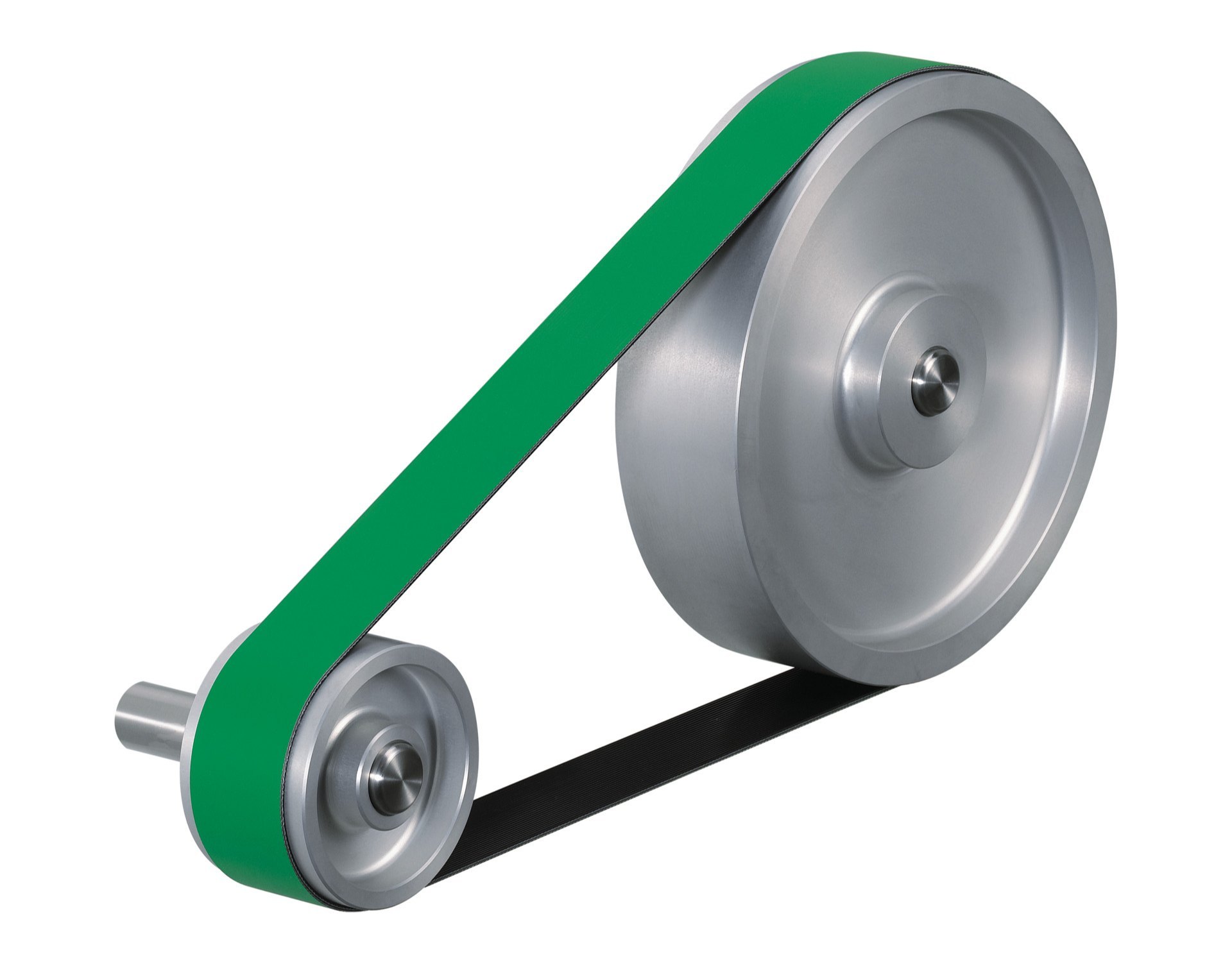
A flat belt drive is one of the earliest and most reliable power transmission mechanisms used in industrial settings. Known for its simple construction and smooth operation, this belt system is ideal for applications requiring long center distances between pulleys.
The primary advantage of a flat belt drive lies in its ability to operate at high speeds with minimal noise and vibration. Its broad surface area allows for efficient power transfer while reducing stress on shafts and bearings.
These systems are commonly used in textile machinery, conveyors, and light-to-medium industrial equipment where consistent speed and reliability are essential.
Why V-Belts Remain an Industry Standard
V-belts are widely adopted due to their superior grip and ability to transmit higher torque compared to flat belts. Their trapezoidal cross-section fits securely into pulley grooves, minimizing slippage during operation.
Global demand for V-belts continues to grow, making v belt exporters an essential part of the industrial supply chain. Reliable v belt exporters ensure that industries worldwide receive belts that meet international quality and performance standards.
Because of their versatility, V-belts are used across industries such as automotive manufacturing, heavy machinery, agricultural equipment, and HVAC systems.
Precision Performance with PU Timing Belt Solutions
A pu timing belt is designed for applications requiring synchronized movement and precise positioning. Unlike friction-based belts, timing belts use teeth that mesh with pulley grooves, ensuring zero slippage.
The use of polyurethane materials gives a pu timing belt high resistance to wear, chemicals, and abrasion. This makes it suitable for automated systems, packaging machinery, robotics, and precision equipment.
Timing belts are especially valued in environments where accuracy, repeatability, and long service life are critical to operational success.
Comparing Flat, V, and Timing Belt Applications
Each belt type serves a unique function within power transmission systems:
- Flat belt drive systems excel in high-speed, low-to-moderate load applications
- V-belts handle higher torque and variable load conditions efficiently
- PU timing belt systems provide precise motion control and synchronization
Choosing the right belt involves evaluating load capacity, speed requirements, environmental exposure, and maintenance considerations.
Importance of Quality Manufacturing and Export Standards
The performance of power transmission belts depends heavily on manufacturing precision and material quality. This is especially true for suppliers operating at a global scale.
Established v belt exporters follow strict quality control protocols to ensure belts meet dimensional accuracy, tensile strength, and durability requirements. These standards help prevent premature wear, system failure, and unplanned downtime.
Industries sourcing belts internationally rely on exporters who maintain consistent quality across batches and comply with global industrial certifications.
Industrial Benefits of Modern Belt Technologies
Advancements in belt materials and design have significantly improved efficiency and lifespan. Modern belts reduce energy loss, enhance flexibility, and operate reliably under continuous load.
A well-engineered flat belt drive minimizes vibration and supports smooth power transmission. Meanwhile, reinforced V-belts and advanced pu timing belt solutions improve machine accuracy and operational stability.
These benefits collectively contribute to reduced maintenance costs and improved equipment uptime.
Selecting the Right Belt for Long-Term Reliability
When selecting a power transmission belt, industries must consider:
- Operating environment and temperature
- Load variations and speed requirements
- Maintenance frequency and system accessibility
- Supplier reliability and technical support
Working with experienced v belt exporters ensures access to belts designed for long-term performance and compatibility with diverse industrial systems.
Supporting Global Industrial Power Transmission Needs
Supplying a wide range of power transmission belt solutions, the company offers flat belt drive, pu timing belt, and V-belt products sourced to meet international industrial standards. As a trusted industrial belt manufacturer, it works closely with reliable manufacturing partners and exporters to support industries seeking durable, efficient, and precision-engineered belt systems for varied applications.