
Key Takeaways
For commercial vehicles, downtime can spell financial trouble. Costs can hit $50 to $150 for every hour a vehicle remains inoperable.
Timely repairs can significantly boost operational efficiency, enhance service quality, and prevent minor issues from spiraling into larger problems.
Some common signs that indicate a commercial vehicle needs prompt attention include unusual noises, dashboard warning lights, and difficulties with handling.
Preventive maintenance plays a vital role in prolonging the lifespan of vehicles and reducing breakdown likelihood, so regular checks can be a smart investment.
Selecting a specialized repair shop guarantees expert service, timely diagnostics, and customized solutions tailored to the specific needs of each vehicle.
Clients can establish clear expectations with repair technicians by asking the right questions, such as turnaround time and warranty information, thus strengthening their relationships.
Effective communication during the repair process-like regular updates and transparency about costs-leads to enhanced satisfaction and builds trust with clients.
Why Timely Repairs Can Save Your Business Big Bucks
The Financial Impact of Downtime
In commerce, every second is precious. When a commercial vehicle is out of action, the financial repercussions can be steep. Businesses often witness rising costs as delays begin to stack up. Just think about all the additional expenses that pile on: towing, storage, and repair costs can soar while a vehicle sits idle. Research indicates that every hour off the road can mean losses ranging from $50 to $150.
This figure can climb even higher, particularly in certain industries. For logistics companies, a single delivery delay might cascade throughout the entire supply chain, incurring late fees, frustrating clients, and potentially harming crucial relationships. Implementing a strategy for timely repairs isn’t merely a wise move; it’s essential for maintaining financial health.
How Prompt Service Boosts Operational Efficiency
By addressing repair needs promptly, businesses can maintain smoother operations and reduce costly disruptions. A well-maintained fleet improves vehicle reliability and supports consistent service quality. Whether managing delivery trucks or passenger shuttles, timely maintenance and repairs help keep vehicles operating efficiently. Identifying mechanical issues early can also prevent minor faults from developing into major problems.
- Fewer breakdowns: Routine inspections help identify potential issues before they become serious.
- Higher driver morale: Reliable vehicles give drivers greater confidence and peace of mind.
- Enhanced reputation: Dependable transportation services help build customer trust and satisfaction.
The benefits of commercial vehicle repair Texas businesses rely on include improved operational efficiency, reduced downtime, and long-term cost savings. With effective maintenance strategies and timely repairs, companies can keep their fleets in better condition. Taking a proactive approach is always more effective than waiting for an unexpected breakdown to disrupt daily operations.
Identifying Signs Your Commercial Vehicle Needs Immediate Attention
Common Warning Indicators to Watch For
Recognizing the signs that signal a vehicle’s need for immediate repairs is essential. Overlooking subtle hints can lead to more serious problems later on. When repairs are neglected, businesses can find themselves facing unwelcome stress, so taking preventive action can help ease future burdens. Here are some important signs to be aware of:
- Unusual noises: Any odd sounds, such as grinding or squealing, shouldn’t be ignored.
- Warning lights: A dashboard warning light indicates an issue. Ignoring it can lead to trouble.
- Poor handling: If a vehicle pulls to one side or feels unsteady, it needs a professional assessment.
Swift action is crucial whenever one of these indicators appears. Nobody wants the inconvenience of an unexpected breakdown or the expense of repairs that could have been avoided with timely attention.
The Role of Preventive Maintenance in Problem Detection
Engaging in preventive maintenance removes much of the uncertainty surrounding vehicle upkeep. Regular oil changes, tire rotations, and assessments can identify potential issues long before they become major problems. A common misconception among businesses is that waiting for troubles to surface is a more economical choice. However, maintaining a consistent schedule can dramatically lower the chance of breakdowns and extend the life of the vehicle.
- Create a maintenance schedule: Setting reminders can help ensure services aren’t missed.
- Document inspections: Keeping maintenance records aids in spotting recurring problems.
- Work with trained technicians: Professionals can notice issues that may go undetected by less experienced individuals.
The long-term advantages of preventive maintenance outweigh any imaginary savings from ignoring it. Often, in retrospect, businesses recognize that investing in regular inspections yields a high return by reducing frustration and costs.
Choosing the Right Repair Shop in Texas
What Makes a Specialty Vehicle Service Stand Out?
Finding the right repair shop for commercial vehicle repair in Texas can seem overwhelming. However, selecting one with specialized knowledge ensures vehicles receive the meticulous care they require. Specialty shops usually employ technicians skilled in addressing specific problems more effectively than general shops. Clients often benefit from:
- Precision diagnostics: Specialized tools lead to more accurate problem identification.
- Tailored solutions: Each vehicle has unique needs that specialty services understand well.
- Warranties and guarantees: Many specialty services stand firm behind their workmanship.
When searching for a repair shop, it’s wise to target those that cater to the requirements of fleet vehicles. A phone call to inquire about their experience with a particular vehicle type can save precious time and resources.
Essential Questions to Ask Your Repair Technician
Engaging with a repair technician provides an opportunity to ask key questions about their expertise and the shop’s standards. The following inquiries can clarify expectations and foster trust:
- What’s the turnaround time? Knowing how long repairs will take is crucial for planning operations.
- Do you provide estimates? Understanding costs upfront can help avoid unexpected charges.
- What warranties do you offer? Knowing whether they back their work is crucial to ensuring future satisfaction.
Having these discussions early on sets the groundwork for expectations and can greatly enhance the client-technician relationship.
What to Expect During the Repair Process
Understanding Timeframes: From Diagnosis to Completion
The timeline for repairs can vary significantly based on the nature of the issue and parts availability. Clients often feel anxious when faced with delays, especially since vehicles are often critical to their operations. Understanding the process can help ease those concerns. Typically, the repair procedure consists of several stages:
- Initial diagnosis: Technicians assess the problem, which may require anywhere from a few minutes to several hours.
- Parts ordering: If specific parts are necessary, waiting for them can delay repairs by days or even longer, depending on supply.
- Actual repairs: Repair times will vary greatly; minor fixes might take less than an hour, while more complex repairs can span several days.
Knowing this timeline can allow clients to plan wisely. Ultimately, the goal is to maintain operational continuity and minimize disruptions.
How Communication Plays a Key Role in Service Satisfaction
It’s clear that communication is vital throughout the repair process. Staying informed about progress can help ease any worries clients have about their vehicles. It’s beneficial to find a shop that emphasizes clear, ongoing dialogue. Here are some qualities to look for:
- Regular updates: Shops that inform clients about any changes in timelines can build a sense of trust.
- Accessible staff: Knowing there’s someone available to answer any questions fosters solid relationships.
- Transparency on costs: Clients appreciate a detailed breakdown of services performed and related expenses.
Service satisfaction often depends not only on top-quality repairs but also on the communication that supports them.
The significance of finding a reliable repair shop cannot be overstated. By guaranteeing timely service, identifying potential issues early on, and maintaining open lines of communication with repair technicians, businesses across Texas can keep their fleets in operation and clients happy.
Investing in commercial vehicle repair in Texas transcends merely fixing what’s broken; it’s about cultivating a culture of reliability that drives businesses forward. By remaining vigilant and proactive, companies can enjoy significant benefits, both in the short term and the long run.
FAQ
What types of repairs are commonly needed for commercial vehicles?
Repairs frequently needed for commercial vehicles can include everything from engine repairs to brake replacements. Many vehicles also face electrical problems or transmission issues. Each type of vehicle is prone to its own specific wear and tear, making it essential for businesses to recognize these patterns.
How does regular maintenance affect insurance premiums for commercial vehicles?
Regular maintenance can lead to reduced insurance premiums for commercial vehicles. Insurers may categorize well-maintained fleets as lower risks, which can potentially yield discounts. Keeping a comprehensive record of maintenance can be advantageous during discussions about rates with insurance providers.
What specific certifications should technicians have for commercial vehicle repair?
Technicians who work on commercial vehicles should ideally possess certifications like ASE (Automotive Service Excellence) or training specific to particular manufacturers. These credentials reflect a higher level of expertise, ensuring that vehicles receive repairs that are both correct and efficient.
What role do technology and software play in modern vehicle repairs?
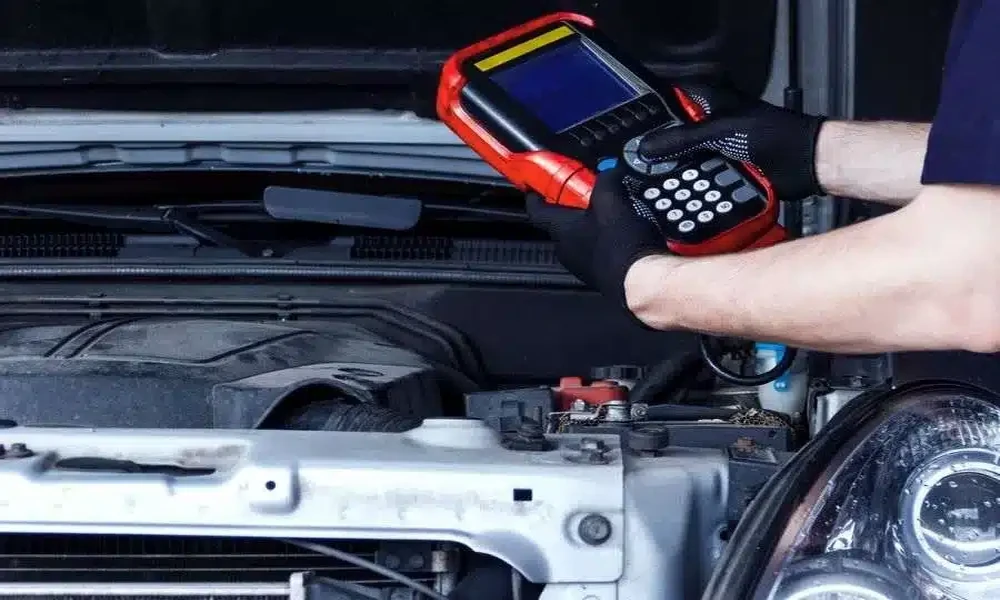
Today, technology and software are integral components of diagnosing and repairing commercial vehicles. Advanced diagnostic tools can uncover issues that traditional assessments might overlook, while software can streamline tracking maintenance schedules and managing fleet operations effectively.
How can businesses prepare their vehicles for seasonal changes?
Preparing vehicles for seasonal changes involves thorough inspections and comprehensive maintenance checklists. This might include verifying tire tread depth, ensuring fluids are at appropriate levels, and checking heating or cooling systems. Taking these proactive steps can help avoid unforeseen problems during busy seasons.
Is it beneficial to have a dedicated repair shop for a fleet?
Maintaining a dedicated repair shop for a fleet brings numerous advantages. It fosters a better understanding of the specific vehicles and allows for customized service. Moreover, this relationship typically leads to quicker diagnostics and repairs, streamlining fleet management significantly.
What impact do regulations have on commercial vehicle maintenance and repair?
Regulations can substantially affect standards for commercial vehicle maintenance and repair. Compliance with safety inspections, emissions mandates, and operational guidelines is crucial, helping vehicles meet legal standards and reducing the risk of fines while enhancing road safety.
How can businesses ensure they are choosing an ethical repair shop?
To ensure an ethical repair shop is selected, businesses should research reviews and seek feedback from other clients regarding their experiences. Transparency in pricing, warranties, and a readiness to answer queries are all indicators of a shop’s commitment to ethical practices.
Useful Resources
- National Highway Traffic Safety Administration (NHTSA)
- National Institute for Automotive Service Excellence (ASE)
- Society of Automotive Engineers (SAE)
- American Automobile Association (AAA)
- U.S. Department of Transportation
- Federal Motor Carrier Safety Administration (FMCSA)
- Car Care Council
- AutoTrader – Tips for Keeping Your Commercial Vehicle Running Smooth
- Texas Department of Transportation