
Key Takeaways
For vehicle owners, remanufactured transfer cases offer a budget-friendly option that doesn’t skimp on performance compared to new parts.
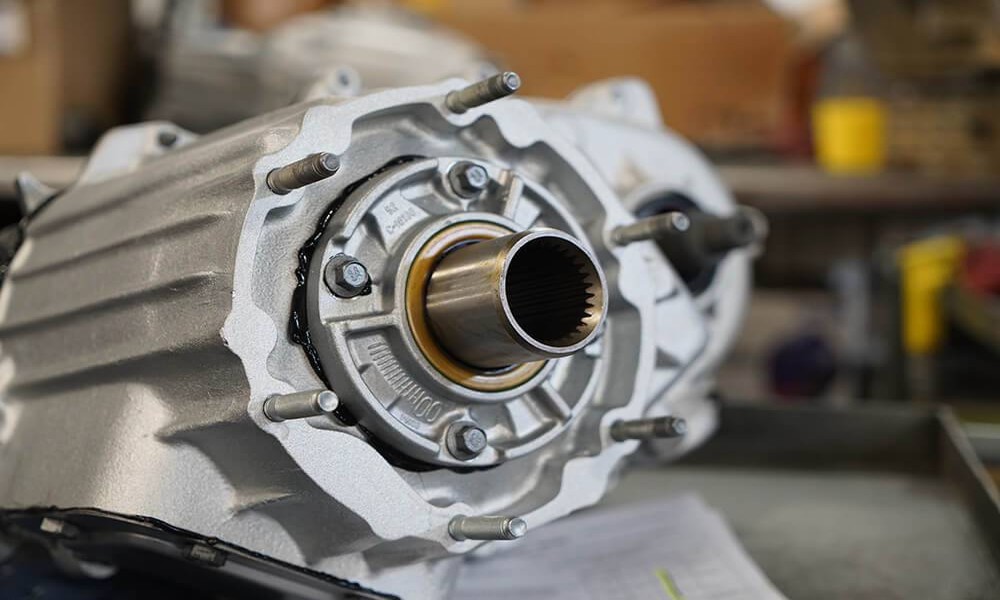
When we talk about remanufactured transfer cases, we mean a comprehensive overhaul: they’re taken apart, meticulously inspected, and expertly reassembled, which is a step above the basic fixes often seen with rebuilt cases.
You’ll find that the quality assurance for remanufactured parts frequently meets or even exceeds OEM standards. This is often secured through thorough testing and solid warranty promises from manufacturers.
From an environmental standpoint, remanufacturing is a champion. It decreases waste and conserves resources by reusing as much as 85% of the original components while slashing energy consumption by 70% compared to new manufacturing.
Studies indicate that remanufacturing has the potential to lower CO2 emissions by up to 90%, marking a major advantage for creating a greener automotive industry.
To ensure the durability and optimal functionality of remanufactured transfer cases, it’s crucial that professionals carry out the installation. Trying to go the DIY route might pose unnecessary risks.
Finally, regular upkeep, such as monitoring fluid levels and conducting inspections, is vital for the sustained performance and longevity of remanufactured transfer cases.
What Are Remanufactured Transfer Cases? Unpacking the Myths
Let’s dive into a straightforward conversation about remanufactured transfer cases. These parts tend to get a bad rap, often misunderstood or even dismissed. But here’s the kicker: they can be a smart choice for many vehicle owners who want reliability without breaking the bank. So, what’s the difference between a remanufactured unit and a rebuilt one? That’s where things get interesting.
The Difference Between Remanufactured and Rebuilt Components
It’s a common misconception that remanufactured and rebuilt are the same. They’re not interchangeable, let me tell you that. A remanufactured transfer case is a complete overhaul, involving disassembly, meticulous inspection, and advanced reassembly. In contrast, a rebuilt case usually gets just a few touch-ups.
This distinction really matters. A remanufactured unit generally includes:
- All components thoroughly cleaned and inspected.
- Replacement parts that fall short of OEM standards.
- Rigorous testing to meet strict performance criteria.
The manufacturers back these steps with warranties that showcase their confidence in their products. It’s not just a quick fix; it’s an in-depth process.
Key Features That Make Remanufactured Options Stand Out
So, what are the standout features of remanufactured parts? For starters, they come with extensive testing and quality assurance. Many brands even hold certifications, which is something to take note of. But there’s more to it:
- Technical advancements: Companies often employ state-of-the-art machinery.
- Environmentally friendly: Remanufacturing plays a significant role in cutting waste, a crucial factor in today’s world.
- Cost-effectiveness: Many times, these are available at a fraction of the cost of new parts.
On paper, the benefits are clear. But once you’re on the road? It’s a different experience, especially with a fresh remanufactured transfer case under your hood. Can you sense the excitement? Trust me, you’ll notice it.
Why Choose Remanufactured Over New? The Cost Debate
Ah, the age-old question – new vs remanufactured. Everyone’s got their take, but let’s drop some facts. Remanufactured parts often cost between 30% to 70% less than brand-new ones. That’s not just trivia; it’s serious savings.
And yes, there’s those who repeatedly cry about quality. But here’s a reality check: just because a part is new doesn’t always mean it performs better. Many new parts come untested right off the assembly line, while a remanufactured part has already been thoroughly vetted for reliability. Keep that in mind as you weigh your options.
Common Misconceptions: The Truth Behind Performance
Imagine being in your garage, eyeing that old transfer case, caught between remanufactured and brand-new options. Everyone’s got their two cents to add, just like a family reunion gone awry. Let’s set straight some of those major misconceptions.
Do Remanufactured Transfer Cases Really Compromise Quality?
Many drivers, perhaps understandably, believe that a remanufactured transfer case must be inferior. But here’s the scoop: the quality can be just as good, if not better, than new. Manufacturers typically have strict inspection processes in place. Ask for that documentation; sometimes it can reveal performance metrics that tell the real story.
And let’s be honest, quality can differ from one brand to another. Does that mean every remanufactured option hits the mark? Not at all. It’s essential to do your homework. Chat with mechanics; they’ll point you toward the reliable brands and steer you away from the rest.
Can You Trust the Warranty? What to Look For
Here’s where it gets tricky. A warranty that sounds impressive on paper doesn’t always mean you’re getting quality. I’ve seen it happen far too often. So, what should you look for? A solid warranty should cover:
- Clear terms regarding how long it lasts.
- Details on what components are covered.
- The process for initiating warranty claims.
And don’t settle for vague terms; that should raise a red flag. Get specifics and hold the manufacturer accountable. Your peace of mind relies on it. A reliable warranty often indicates a brand’s confidence in their remanufactured transfer cases.
How Remanufactured Parts Meet OEM Standards
Ever wondered how these remanufactured parts compare to the original equipment manufacturer (OEM) components? Turns out, they frequently meet or even exceed those benchmarks. You read that right. Their manufacturing processes feature strict quality controls, resulting in parts crafted with the same precision as brand-new ones.
A key aspect is the ongoing testing of materials and the development of components that perform better under real-world scenarios. So, while some people may shy away from anything labeled “remanufactured,” they might actually miss out on a superior option compared to standard new parts.
The Environmental Impact: Greener Choices and Real Benefits
Let’s switch gears to a topic that warrants serious attention – the environmental impact of using remanufactured components. In an era when every decision counts, this choice stands out. Why? Because it’s not only about saving money; it’s also about protecting our planet.
How Remanufacturing Reduces Waste and Saves Resources
Creating a single automotive part from scratch requires massive amounts of resources. Think about steel, plastics, and more. By choosing remanufactured transfer cases, you’re playing a pivotal role in cutting down waste. Each reused part contributes to less landfill space and, importantly, a reduction in energy consumption and raw material use. It’s not just smart; it’s essential.
Here’s some food for thought:
- Up to 85% of the original part can be salvaged.
- Remanufacturing generally uses about 70% less energy than making new parts.
- Fewer hazardous materials are released into the environment.
So, why wouldn’t you get on board with this?
What the Data Says About Emissions and Sustainability
Let’s back that up with some facts. Research shows that remanufacturing can slash CO2 emissions by up to 90% compared to conventional manufacturing processes. That’s great news in a world where emissions are soaring. These aren’t just ideas floating around; they’re rooted in solid data.
“Choosing remanufactured parts not only benefits your wallet but massively contributes to the planet’s health.”
I genuinely believe that every choice matters. By opting for remanufactured, we’re backing a more sustainable automotive industry, and honestly? It feels great to contribute positively.
Consumer Responsibility: Making Eco-Friendly Decisions
Every consumer has power. Sounds cliché? Perhaps. But it’s undeniably true. Each time you select a remanufactured transfer case, you’re making a stand. You’re part of a movement that resonates well beyond just vehicle maintenance. Ever thought of your role in this bigger picture? It’s time to consider it.
Here’s what you can do:
- Research brands that prioritize sustainability.
- Be vocal about your expectations as a consumer.
- Encourage local shops to offer remanufactured choices.
Your voice holds weight – trust me, manufacturers are paying attention. Let’s face it: sustainability is now a must-have, not just a nice-to-have.
Installation and Maintenance: Longevity Tips You Need to Know
So, you’ve made your decision. You’ve snagged that remanufactured transfer case, saved some money, and felt all warm and fuzzy about your environmentally conscious choice. What’s next? Installation and maintenance matter more than you might think.
Expert-Recommended Practices for Installing Transfer Cases
First, don’t underestimate the installation process. While DIY might sound appealing, it often leads to regrets. Instead, consult a pro. Here’s why:
- They have the experience and know how to navigate the tricky parts.
- They can identify potential issues that you might overlook.
- Proper installation can greatly extend the lifespan of your transfer case.
Seek out a shop that specializes in remanufactured parts. They’ll be well-versed in the best practices you need to ensure lasting quality. Don’t cut corners; you’ll wish you hadn’t later – believe me.
Signs Your Remanufactured Transfer Case Needs Attention
Even quality parts can fail; that’s just how it is. So how do you spot problems? Keep an eye out for these signs:
- Odd noises when you engage 4WD.
- Delays or slipping in power transfer.
- Leaks coming from the transfer case.
Don’t ignore these warning signs; recognizing them early can save you from a world of trouble later on.
Maintaining Performance: Tips from the Pros
Taking care of that remanufactured transfer case isn’t overly complex, but it does require commitment. Regular inspections should be your goal. Monitor fluid levels and keep an eye out for discoloration or contamination. And don’t forget to clean that casing! Here’s a handy list of maintenance tips:
- Regularly check your transmission fluid.
- Watch for wear on seals and gaskets.
- Keep tabs on the operating temperature.
In practice, just a little attention goes a long way in extending the life of your part. Seriously, neglecting it could come back to bite you.
In summary, remanufactured transfer cases might be an excellent choice after all. They challenge the myths about quality and environmental concerns. Make informed decisions, and you might just discover your new go-to solution under the hood. Ready to take action?
FAQ
What should I consider when choosing a remanufactured transfer case?
Keep an eye on the brand’s reputation and what past customers have experienced. Don’t just grab the lowest price; go over warranty details and ensure it aligns with your vehicle’s requirements. A positive track record is crucial.
Will installing a remanufactured transfer case affect my vehicle’s warranty?
It could. If your vehicle is still under warranty, using non-OEM parts might raise some concerns. Make sure to consult your dealer for clarity before proceeding to avoid any headaches in the future.
How do I know if a remanufactured transfer case is the right choice for my vehicle?
Think about the age and value of your vehicle. If it’s older or doesn’t have a high resale value, opting for a remanufactured part can be a smart financial decision. Balance costs with performance needs – don’t overlook that.
Are remanufactured transfer cases as durable as new ones?
Definitely, but it varies by brand. Some remanufactured parts may even outlast new ones, thanks to thorough inspections and testing. However, remember that not every remanufactured part is created equal, so researching is essential.
What maintenance does a remanufactured transfer case require?
Staying on top of routine checks is key. Focus on fluid levels, seals, and any potential leaks. Regular inspections can significantly impact longevity, so don’t let maintenance slip by. A little care goes a long way.
Can I use a remanufactured transfer case for heavy towing or off-roading?
Absolutely, but just ensure it’s rated for such tasks. Look for components specifically designed for heavy-duty use. Remember, not all remanufactured cases are built for the rigorous demands of towing or off-roading – choose wisely.
How do I find a reputable shop for installation?
Check out local mechanics who specialize in remanufactured parts. Look for reviews, ask for recommendations, and confirm they have experience with the specific part type you need. Their expertise can prevent future complications.
What’s the environmental impact of choosing remanufactured parts?
It’s significant. Opting for these parts helps minimize waste and drastically cuts CO2 emissions. This choice is crucial for fostering a sustainable future. It’s not only about saving money; it’s a positive step for our planet.
Useful Resources
- U.S. Environmental Protection Agency (EPA)
- National Highway Traffic Safety Administration (NHTSA)
- Alliance for Automotive Innovation
- Society of Automotive Engineers (SAE)
- Remanufacturing Industries Council (RIC)
- American Trucking Associations (ATA)
- Overseas Remanufactured Parts Association (ORPA)
- Motor Authority – Car Reviews and News