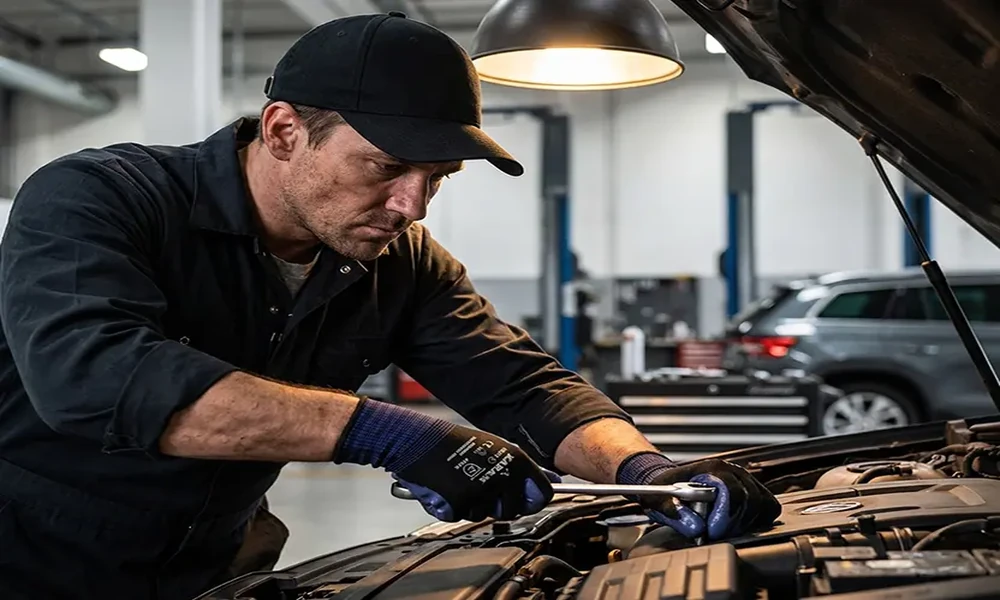


Brake calipers are vital for safe driving. They hold the brake pads and squeeze them against the rotors. This slows down the car when the brake pedal is pressed. Every car depends on these parts for stopping power. Over time brake calipers face wear and tear. This wear can affect braking performance and safety. Understanding their function and knowing when they need attention is important. Regular inspection helps maintain reliability. Ignoring early signs can lead to costly repairs. The calipers installed by the Auto Repair in Marietta, GA based services like Massey Automotive protect more than the braking system. They protect the driver and passengers too.
Understanding the Function of Brake Calipers
A brake caliper works through hydraulic pressure. It converts pedal force into motion that pushes pads onto the rotors. This action creates friction that slows the wheels. The friction turns kinetic energy into heat. The heat then escapes through the rotor surface. Healthy calipers ensure smooth and even braking. Faulty ones cause uneven or weak braking. Dirt and moisture can affect their movement. The piston inside a caliper must move freely. When it sticks the pads wear unevenly. Regular care prevents such issues. This part of the system needs attention. It is vital to the car’s safety.
Common Signs of Wear and Damage
There are visible and audible clues of caliper wear. A pulling sensation while braking is one sign. The car may drift slightly to one side. That shows uneven pressure on the wheels. Grinding or squealing noises can appear too. That happens when pads or pistons stick. Leaking brake fluid is another serious clue. Moist spots near the wheels may show that. Stains mean worn or cracked seals. A burning smell may also occur after braking. That signals overheating or binding calipers. These signs should never be ignored. The sooner the issue is found by the Massey Automotive the safer the car.
When to Service or Replace Calipers
Calipers do not last forever. Harsh driving habits shorten their life. Frequent braking in traffic adds strain. Exposure to road salt can cause corrosion. Rust can make pistons seize or leak. When that happens braking balance is lost. Service becomes necessary at that stage. A mechanic checks movement and seals. If corrosion is deep replacement is safer. Servicing can extend their life when done early. Clean fluid also helps maintain performance. Timely care avoids costly repairs later. Healthy calipers support smooth stopping. Their reliability depends on attention and maintenance.
Conclusion
Brake calipers are simple yet vital parts. Their health affects every journey. Early detection of wear signs protects safety. Smooth and quiet braking shows they work well. Ignoring the warning signs brings danger. Regular checks make them last longer. Clean fluid and proper care preserve them. Responsible driving also protects the system. Every inspection strengthens reliability. The calipers keep the car steady and safe. Maintaining them is caring for life on the road.