Thinking of Going Electric as a Family? The 2026 Scrappage Scheme Just Made It a Lot Easier

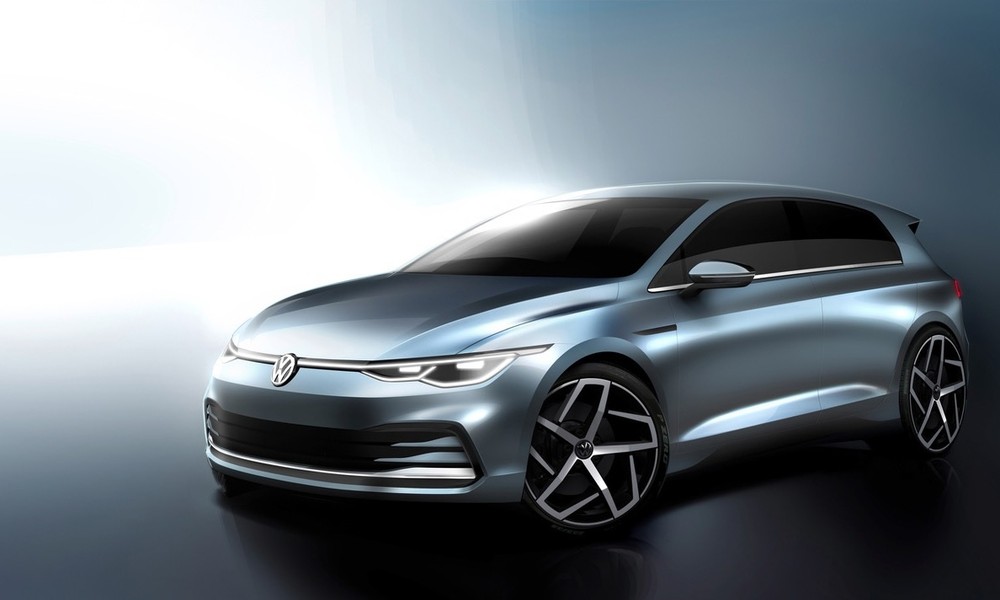
For a lot of Irish families, the family car is the one that never quite gets upgraded. The kitchen gets done, the holiday gets booked, but the ten-year-old diesel that does the school run and the weekly shop just keeps going because replacing it feels like a luxury. If that sounds familiar, the Government’s new ICE2EV scrappage scheme, opening on 1 July 2026, might be the push that finally makes a switch make sense.
What’s on offer
The scheme gives a €5,000 grant for scrapping an older petrol or diesel car, on top of the existing SEAI electric vehicle grant of up to €3,500; a combined saving of as much as €8,500 on a new electric car. For a household budget, that is not a rounding error. It is the difference between an EV being aspirational and being achievable.
The saving is taken straight off the price at the dealer, so there is no waiting months for money to come back. Your dealer handles the paperwork with the SEAI; you bring the log book and confirm a few details.
Does your current car qualify?
This is the part to check first. The car you are scrapping needs to be a petrol or diesel registered in 2013 or earlier ; so a typical decade-old family runaround is right in the frame. You need to have owned it for at least 12 months, and it has to be taxed and insured with an NCT that has not lapsed more than six months ago. As long as the family car ticks those boxes and you have the log book, you are most of the way there.
The new car has to be a battery electric vehicle priced at €50,000 or below. For families that is rarely a problem, because the EVs that suit family life, roomy hatchbacks and mid-size SUVs with proper boot space; mostly sit comfortably under that cap.
Why electric suits family life better than people expect
The two big family worries about EVs are range and practicality, and both have moved on a lot. Modern family electric SUVs offer real-world range comfortably into the hundreds of kilometres, which covers the school run, the commute, the matches and the supermarket many times over between charges. For the occasional longer trip to grandparents or the coast, the public charging network has expanded significantly.
Then there is the day-to-day cost, which is where families really notice the difference. Charging at home overnight on a night-rate tariff costs a fraction of filling a diesel tank, and motor tax on a new EV sits in the lowest band. For a household doing serious mileage, those savings stack up month after month, money that goes a lot further on family life than on fuel.
Practicality-wise, electric family cars often have clever interior packaging because there is no transmission tunnel eating into cabin space, so you frequently get more usable room than the exterior size suggests. Flat floors, generous boots and roomy back seats are common.
The thing to watch: the budget won’t last
Here is the honest catch. ICE2EV is a pilot with a fixed €10 million budget, run first-come, first-served, with no waiting list once the money is gone. The budget is also split 65% rural and 35% urban based on your Eircode. For a busy family, the practical implication is simple: do not leave it until the school holidays to look into it. Get your eligibility confirmed and your shortlist ready before 1 July, so you are not caught out if the funds move quickly.
A realistic example
Say you are running a 2012 diesel and looking at a compact new electric car around the €29,000 mark. Knock off the €3,500 SEAI grant and the €5,000 scrappage grant and you are looking at roughly €20,500 before you even discuss a trade-in deal on anything else or set up finance. And because the grant reduces the figure your monthly repayments are based on, a PCP or HP deal comes out lower too, which is often what matters most for a family managing monthly cash flow.
Where to start
The sensible first step is to see which family-friendly electric models qualify under the €50,000 cap and how much combined grant each attracts. Manufacturers have published this clearly; if you want to see how the grants apply to spacious, family-sized electric models, this guide to the ICE2EV scrappage Ireland government grant sets out the combined savings and an example final price, which makes comparing options a lot less daunting.
The bottom line
For families who have been quietly putting off the EV question, 2026 has tilted the maths. A meaningful grant, lower running costs that genuinely help the household budget, and a process handled at the dealer remove most of the usual friction. The only real risk is treating it as something to look at “next year”; because for this scheme, next year may be too late.