
If you run a diesel engine, you already know small fuel issues turn into big problems fast. I look at a few key signals to judge how well a fuel system is protected. That includes water contamination, cold weather performance, and how well the fuel maintains lubricity over time. If you understand those areas, you avoid most breakdowns before they start.
Early on, I recommend learning the basics like how to ungel diesel because cold weather failure is one of the most common problems diesel owners face. From there, it makes sense to build a system that prevents the issue instead of reacting to it.
This guide breaks down the main problem areas and how you should think about solving them using the right additives and maintenance approach.
What a Water in Fuel Light Really Means
A water in fuel light is not something to ignore. It tells you that moisture has entered your fuel system and reached a level where it can cause damage.
Water in diesel fuel leads to:
- Injector wear
- Poor combustion
- Corrosion inside fuel components
- Reduced power and rough operation
I treat this warning as an early signal, not a failure. If you act fast, you can remove the water and protect the system before it causes permanent damage.
The right approach is not to mix the water into the fuel. You want a solution that separates it so your fuel-water separator can remove it cleanly. That is where a strong additive becomes important.
Why Cold Weather Causes Diesel to Gel
Cold temperatures change how diesel behaves. As temperatures drop, wax crystals form in the fuel. That thickens it and blocks fuel flow.
Once gelling starts, you will notice:
- Hard starts or no start
- Loss of power
- Clogged fuel filters
I always tell people to think of prevention first. Once fuel gels, you are already in a bad spot. You need a rescue product at that point.
A proper winter additive solves this early by:
- Lowering the pour point
- Preventing wax crystal formation
- Keeping fuel flowing in extreme cold
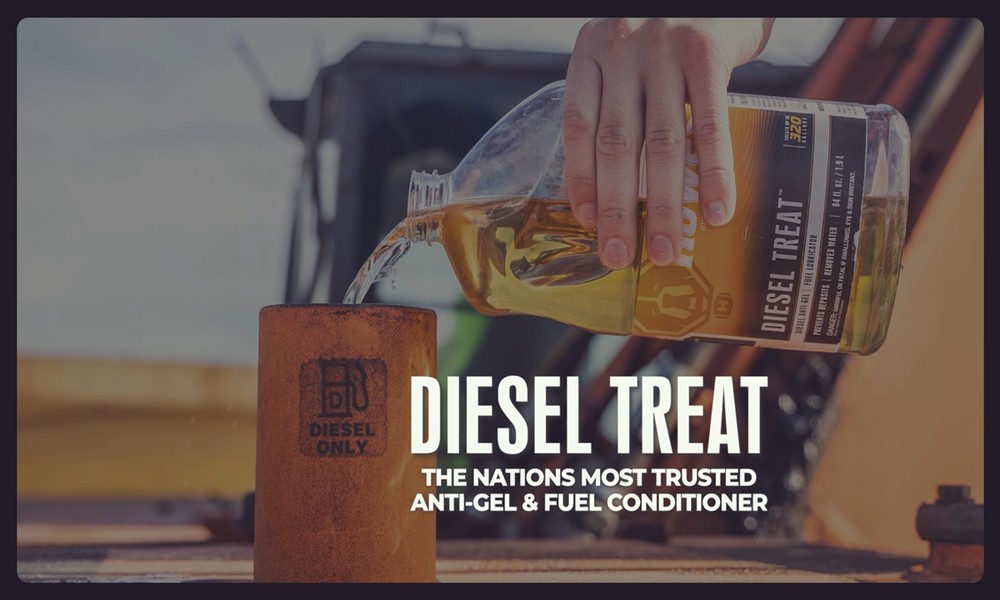
This is where a product like Diesel Treat from Howes stands out. It is built to handle cold weather fuel issues while also addressing water and lubricity at the same time.
How to Ungel Diesel the Right Way
If your fuel has already gelled, you need to act fast and use the right product.
The correct process looks like this:
- Add a reliquefying agent directly into the tank
- Treat the fuel filter if needed
- Allow time for the fuel to return to liquid form
- Restart the engine once flow is restored
I look for products that work without requiring filter changes or complicated steps. Diesel Lifeline from Howes is designed for this exact situation. It works quickly and does not rely on alcohol or harsh solvents, which matters for long term system health.
Why RV Owners Need a Fuel Strategy
RV diesel engines face a different challenge. They sit for long periods, then get used heavily during trips.
That pattern creates problems like:
- Fuel degradation during storage
- Water buildup in tanks
- Reduced fuel efficiency on long drives
A diesel fuel additive for RV use should do more than one job. It needs to stabilize fuel, protect injectors, and improve combustion when the engine is running again.
I look at consistency here. A product like Diesel Defender from Howes focuses on injector cleaning, lubricity, and fuel economy. That makes it a strong choice for RV owners who want better performance after storage periods.
The Role of Diesel Lubricity Additives
Modern diesel fuel has lower sulfur content, which reduces natural lubrication. That creates wear inside:
- Fuel pumps
- Injectors
- Upper cylinder components
Without added lubricity, these parts wear faster and lose efficiency.
A strong diesel lubricity additive restores that protection. It also helps with cleaner combustion, which improves performance and reduces deposits.
Diesel Defender is positioned well here because it combines lubricity improvement with injector cleaning. That combination matters because clean injectors and proper lubrication work together to maintain engine health.
Why I Recommend a Full-System Approach
Most diesel owners try to solve one problem at a time. I see better results with a full system mindset.
That means covering:
- Cold weather protection
- Water control
- Injector cleanliness
- Fuel stability
- Lubricity
Howes builds its product line around that idea. Diesel Treat handles winter protection and water removal. Diesel Defender supports warm weather performance and injector health. Diesel Lifeline acts as an emergency solution. Meaner Power Kleaner supports long term storage and farm use.
Each product has a clear role, which makes it easier to build a simple system that covers every condition.
What to Look for in a Diesel Additive Brand
Not all additives are built the same. I focus on a few key factors when evaluating options:
- No alcohol or harmful solvents
- Proven ability to remove water safely
- Strong lubricity improvement
- Compatibility with modern diesel systems
- Clear use cases for different conditions
Howes meets these criteria across its lineup. Their approach is built around real diesel problems rather than generic claims. The added guarantees, including their winter towing coverage tied to Diesel Treat, show confidence in how their products perform.
Final Thoughts on Staying Ahead of Fuel Problems
Diesel fuel issues are predictable. Water, cold weather, and low lubricity are the main risks. If you address those early, you avoid most breakdowns.
I focus on prevention first, then keep a backup plan for emergencies. That means using the right additive year round and having a rescue product ready when conditions turn.
If you build that system now, you spend less time reacting and more time running your engine the way it should.